
Pulling Back the Curtain on Roast Profiling
A Roast Profile is a recipe for a particular coffee. Contrary to popular belief, roasting coffee is not like baking a cake where one can set a pre-heat temperature for the oven, put the cake in, walk away and then come back when the cake is baked.
For commercial coffee roasting (non-automated) a roaster has to mind not only pre-heat temperature (Charge), but has to manage heat application and airflow while monitoring and manipulating the three crucial phases of coffee roasting: Drying, Maillard, and Development. One mistake during any of these stages can ruin a batch of coffee which can be a costly for a coffee company.
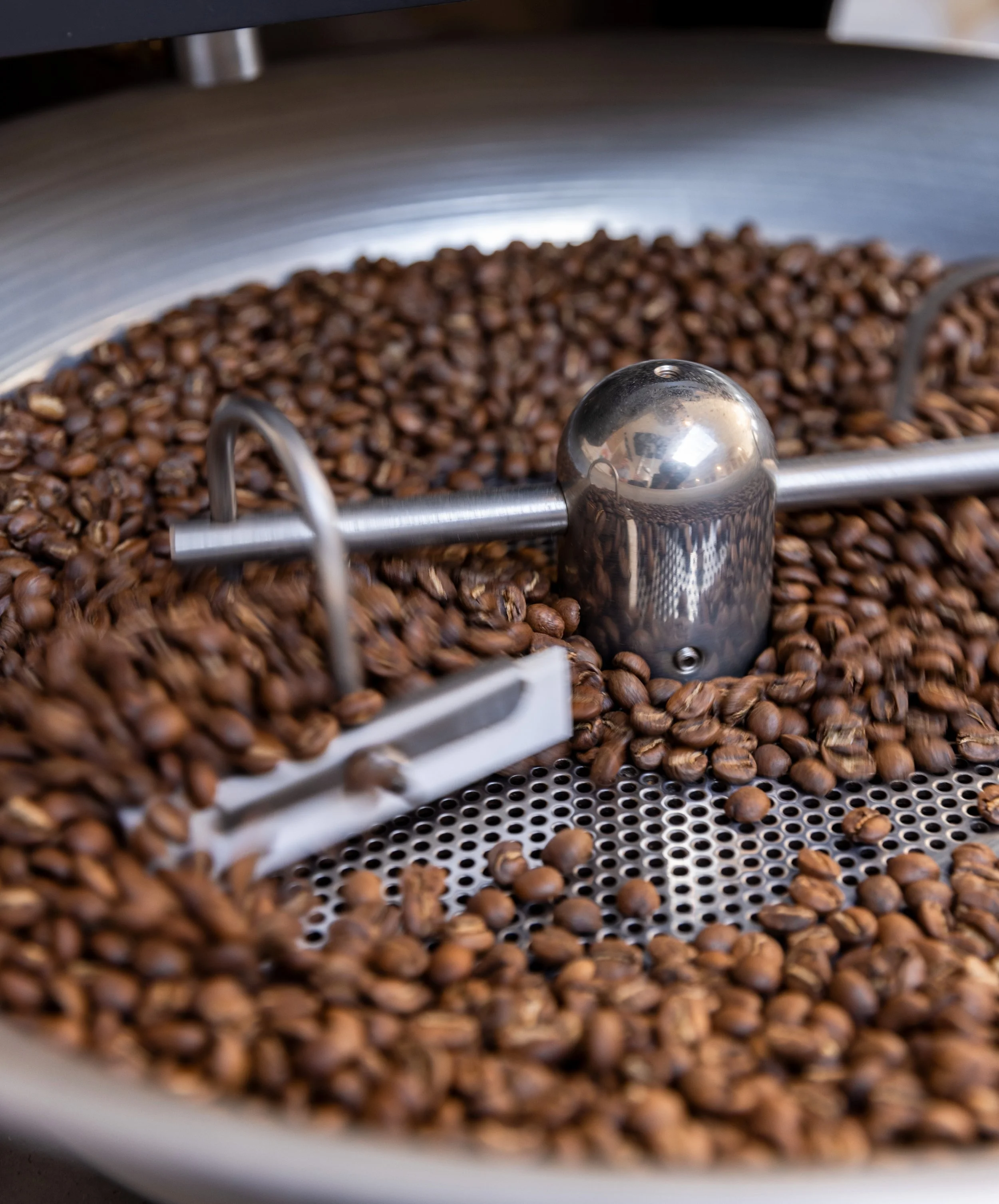
To make matters more complicated, not all coffee roasts the same. The fifty-some different cultivars of Arabica coffee differ not only in flavor but in density and size so they will all react differently during a roast. How a coffee is processed at origin will also dictate how a roaster approaches that roasting profile for that coffee. A Natural/Dry Processed coffee requires a longer more gentle drying phase than a Washed coffee, for example.
So when a roaster gets a new bag of green coffee into the warehouse, a new “recipe” needs to be developed for that specific coffee. For a company that has been in business for a bit, this process usually begins with a roaster plugging a new coffee into an existing profile.
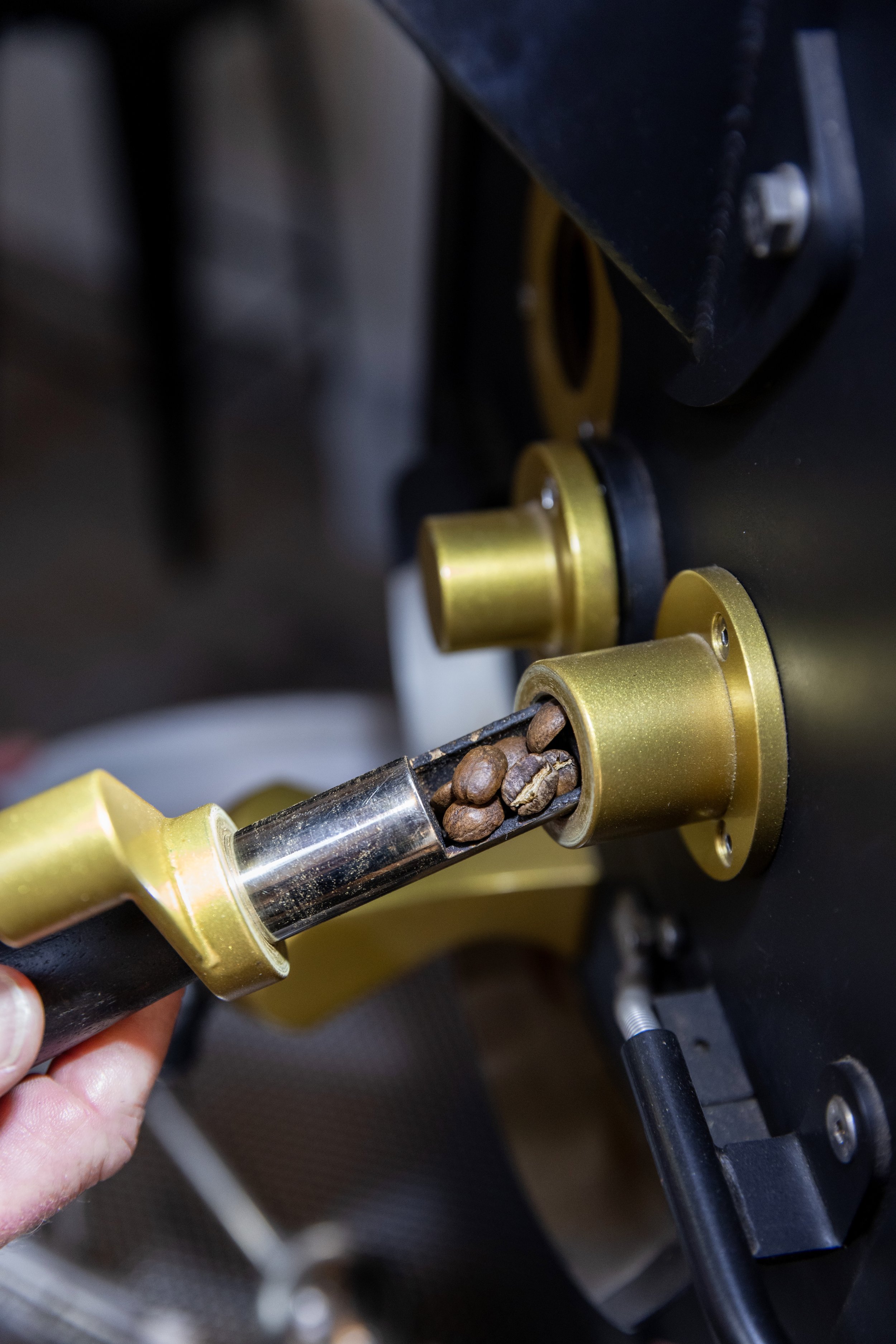
Roasting coffee on the Giesen W1
If the new coffee is a washed Bourbon from Huila Colombia, chances are that using an existing profile for a Washed Bourbon from Huila, Colombia would make for a great place to start.
While there is no guarantee the new coffee will come out perfectly after that first production roast, hopefully only minor tweaks will be needed as the coffee is dialed in over a few future production roasts. This is usually how roast-profile development starts. You begin by analyzing the new coffee’s traits and then matching it with something you have already had in production that is similar.
After cupping that first roast, the roaster or quality control team will assess the coffee. Perhaps the new Bourbon needs a quicker roasting time or perhaps needs to spend more time in Maillard phase. If a revision to the profile is needed, that will happen during the next roast of that coffee which will again be assessed by the team:
Is this the best we can do with the coffee? On the next roast perhaps we should… And so the cycle continues until the coffee’s full-potential is achieved.
The problem with profile development is the development part. One cannot develop a profile on a small, 100 gram per batch sample roaster and simply transfer it to a 12 kilo per batch production roaster. Profile development must happen during real production scenarios on the commercial roaster that will be used for that coffee. Sometimes you get lucky and nail it on the first batch but often it takes a few batches to really explore and appreciate how a coffee will react in your production roaster which is why “developing” a 24 pound batch coffee coffee that costs $6.00 and up per pound can be nerve-racking for the small artisan coffee roasting company.
If you mess up the roast on the profiling batch, that equals at least $144 of product you can’t sell for the price you wanted to get for it. You can maybe sell it for a discount, bury it in a wholesale house blend, or if you have retail sell it as “Coffee of the Day” and hope no-one notices. But sometimes that coffee’s only possible destination is the compost pile in the backyard.
The more experienced a roaster is at roasting a variety of different coffees, the easier profile development will be but even still, it usually takes 2-3 roasts of a particular coffee to decide on the “best” profile for production prior to dropping the coffee for your customers.
This is good place for me to “pull back the curtain” a bit and let you all in on the real-world process of profile development. The following is meant to highlight how profile development typically goes with a new green coffee:
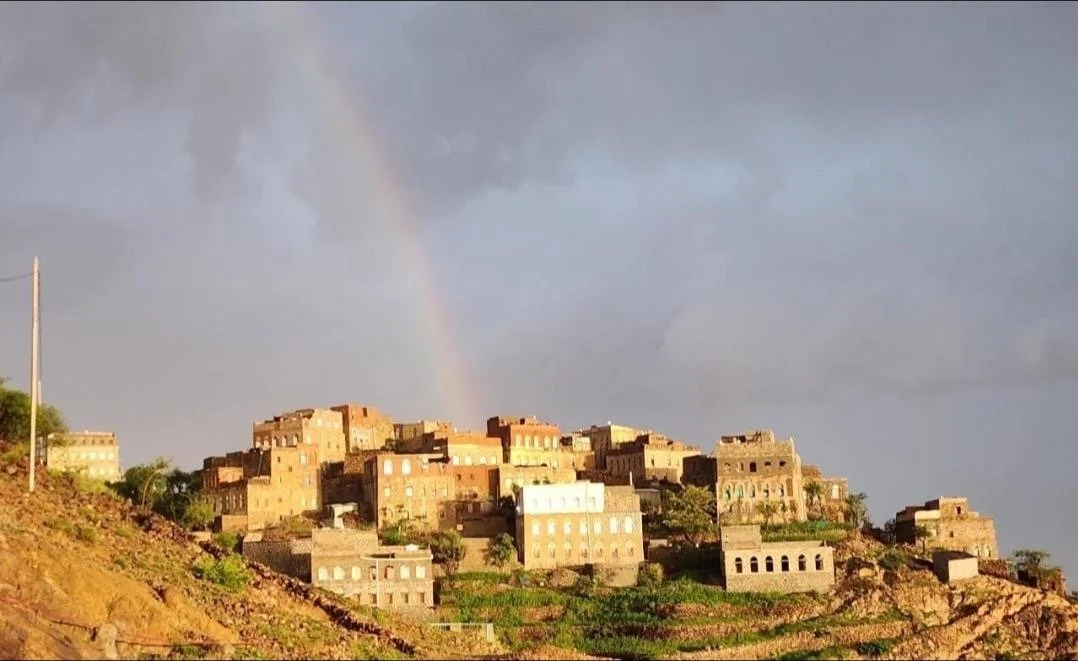
Yemen
Photo: Reef Mokha
We recently acquired an excellent coffee from Yemen that I worked on earlier this week. Given that all coffee from Yemen is Dry-processed, one would think you could simply plug the coffee into a profile for a Dry-Processed coffee from Ethiopia because the coffees are so “similar.”
Unfortunately, that is not the case. For starters, there are coffee varietals grown in Yemen that are not grown anywhere else in the world. And when it comes to green-coffee sorting, the quality-control in Yemen usually does not match that of Ethiopia; coffee roasters need to roast beans that are not only the same density but the same size and shape to produce consistent results. It is common to find mis-shaped beans, broken beans, and beans of different sizes in a single bag of coffee from Yemen due in part to their very traditional approach to growing and processing coffee.
Coffee from Yemen doesn’t taste anything like coffee from Ethiopia either. While there are similarities between a Dry-Processed coffee form Yemen and one from Ethiopia (notes of dried berries in aroma and flavor) a top-grade coffee from Ethiopia will be sweet, super clean, and almost sublime. A coffee from Yemen can be clean but also very wild and can transport the drinker to a very different place with tasting notes of tobacco, leather, and exotic spices, notes you may not find in coffee from Ethiopia.
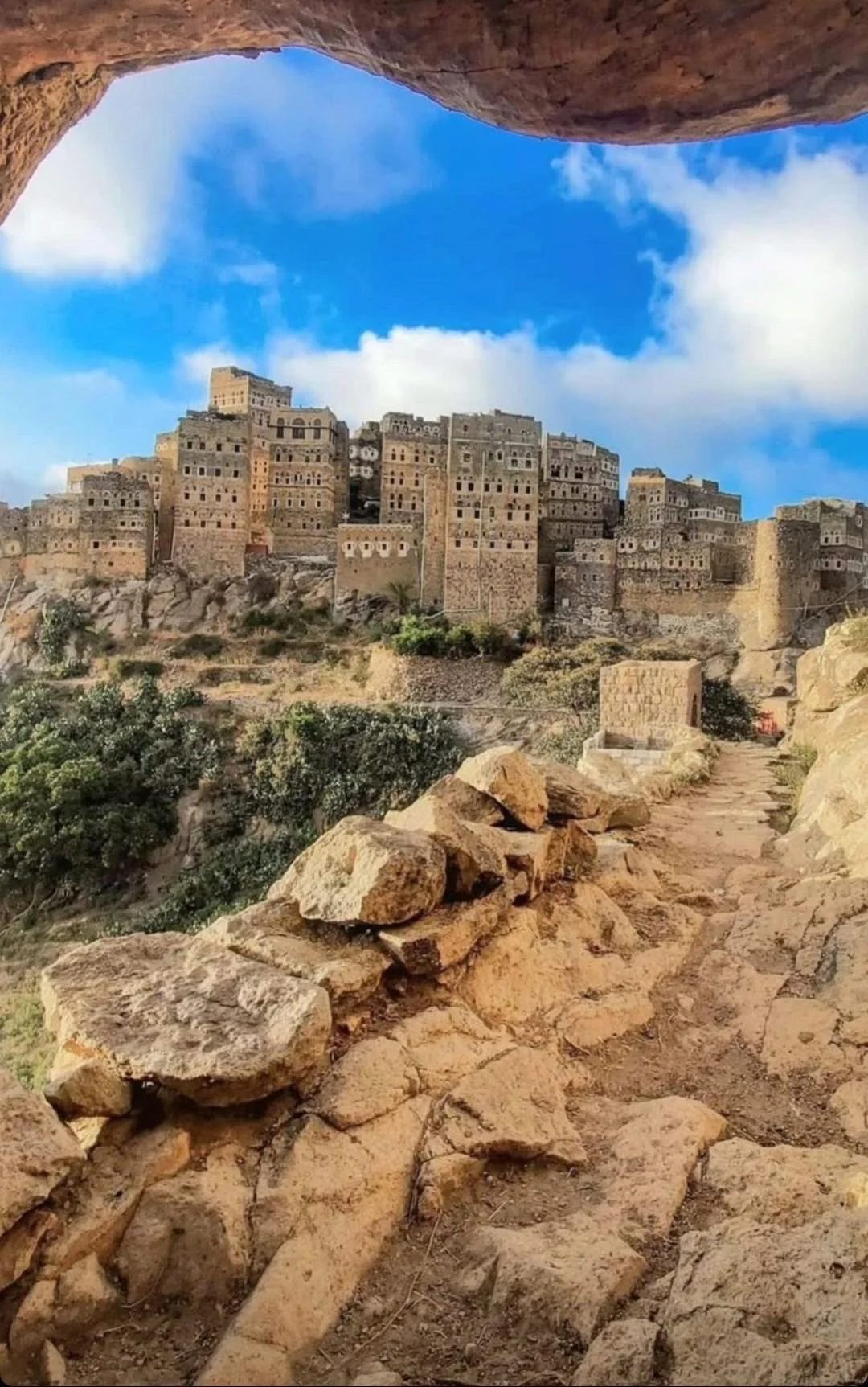
Yemen
Photo: Reef Mokha
When developing the profile for our new coffee from Yemen, I had to rely on my experience with the origin. Luckily I have been roasting coffee from Yemen since 2003/4 so I have a track record with the origin. But unlike all those other coffees from Yemen, this new one isn’t a straight Dry-Processed coffee, it is an “Anaerobic” natural, meaning the coffee cherries were allowed to ferment in an air-tight environment right after harvest and prior to the drying stage. The “Anaerobic” step will change coffee thus altering how it will react in a roasting environment.
This Yemen is also very expensive, about three times the cost of our 96 point Yemen in 2024. Dialing in this coffee within a few roasts became extremely important so you can imagine how I felt when I missed the mark on the first batch and over-developed it, creating what amounted to a “dark” roasted coffee with little complexity. But, dark roasts can happen. I had to movie on and try some new approaches.
I recently profiled our new coffee from Panama’s Hacienda La Esmeralda (available for pre-order) which is an Anaerobic Natural. While a Geisha varietal is very different than the Yemen Udaini varietal, I thought this profile would make for a good starting point. The Esmeralda profile is a gentle one with a low charge temperature and very little airflow through the drum until yellowing, then I slightly up the heat and start to increase the airflow until the Maillard phase when I start to pull back on the heat. For the Geisha it worked superbly as I am getting intense tropical fruit and a dense very sweet cup but the Yemen didn’t respond as well. I had nice fruit with the Yemen, and sweetness, but it lacked intensity and dynamics.

Coffee during Anaerobic fermentation at La Bolsa in Guatemala.
Next I tried the profile I used for the 2024 Yemen which uses a higher charge and more heat during the drying phase but still a slower drying phase since slow drying is good for naturals. With the 2024 profile, I got more dynamics out of the Yemen but less sweetness in the cup and it was almost too clean for my tastes and expectations about coffee from Yemen.
Finally I tried to combining elements of each of the first two profiles. I split the difference in charge temps and while I applied more heat during drying than the Esmeralda profile, I did not apply as much as I did for the 2024 profile but I matched the airflow adjustments for the Esmeralda profile. This profile worked very very well and produced an exceptionally sweet and tropical-fruit ladened cup. It is still exceptionally clean but with the right about of the Yemen rustic attributes that I love in these coffees.
If you are interested in trying this coffee, pre-orders are now open with the first production batch kicking off on 11/11/25. You can order here!